
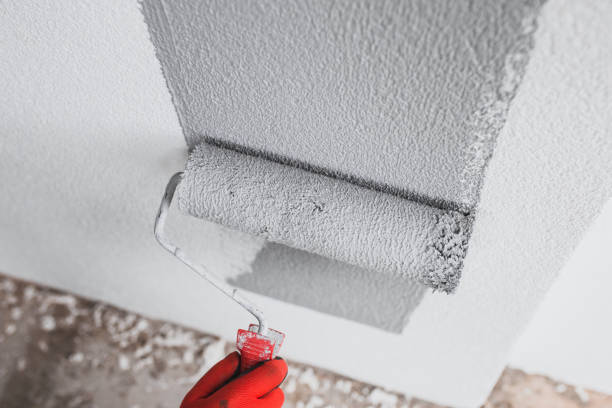
Waterproofing Materials
At Paint & Hardware Hyper, you’ll find a wide range of waterproofing materials that can protect your structure from moisture damage. Our selection includes liquid membranes, cementitious waterproofing, and various waterproof paints and sealants, each specifically designed for its intended application. Whether you’re waterproofing a basement or a roof, our products guarantee long-lasting durability. Plus, regular maintenance tips help keep your surfaces in top condition. Stick around to discover how to choose the best waterproofing solution for your needs!
Overview of Waterproofing Materials
When you think about protecting your home from water damage, understanding waterproofing materials is vital. These materials form a barrier against moisture, preventing it from seeping into your home’s structures. You’ll find a variety of options available, each designed for specific applications. Some materials are fluid-applied, creating a seamless layer, while others come in sheets or membranes that you’ll install between surfaces. It’s essential to take into account the area you’re treating, as different materials have unique strengths. For instance, some are more suitable for foundations, while others excel in roofs or walls. By choosing the right waterproofing material, you’ll enhance your home’s longevity and safeguard it against the damaging effects of water intrusion. Additionally, our team at Paint & Hardware Hyper provides helpful advice to assist you in selecting the best waterproofing solution for your specific needs.
Types of Waterproof Paints
There are several types of waterproof paints available, each designed to tackle specific moisture challenges. You’ll find epoxy-based paints, which are excellent for high-humidity areas like basements. They bond strongly to surfaces and create a durable, waterproof barrier. If you’re looking for something user-friendly, consider latex waterproof paints. They’re easy to apply and clean up with water while still providing good moisture resistance. For outdoor projects, elastomeric paints can expand and contract with temperature changes, helping to prevent cracking. Finally, there are specialty paints with mold and mildew inhibitors, perfect for bathrooms or kitchens. By choosing the right type, you can effectively protect your surfaces from water damage and guarantee long-lasting results.
Benefits of Using Waterproof Sealants
Using waterproof sealants offers a range of benefits that can greatly enhance the durability of your surfaces. First, they create a protective barrier against moisture, preventing water damage and mold growth. This means your surfaces stay cleaner and last longer. Second, sealants improve the appearance of your surfaces, providing a smooth, uniform finish that adds value to your space. They also make cleaning easier, as dirt and grime won’t stick as easily. Plus, many sealants are UV resistant, protecting your materials from sun damage. By choosing waterproof sealants, you’re investing in the longevity and integrity of your surfaces, ensuring they remain functional and visually appealing for years to come. It’s a smart choice for any homeowner or property manager!
Understanding Waterproof Membranes
Waterproof membranes play a critical role in protecting structures from water intrusion, complementing the benefits of waterproof sealants. These barriers act as a shield, preventing moisture from penetrating walls, roofs, and foundations. When you choose a waterproof membrane, you’re selecting a material designed to withstand pressure from water, ensuring long-term durability. It’s essential to understand the different types, such as sheet membranes and liquid-applied membranes, each suited for specific applications and environments. Additionally, consider factors like thickness, permeability, and installation ease when selecting a membrane. By effectively integrating waterproof membranes into your project, you’ll enhance the overall integrity of the structure, reduce maintenance costs, and promote a healthier living environment, free from mold and damage caused by water intrusion.
Application Techniques for Waterproofing Products
Applying waterproofing products effectively is essential for ensuring their performance and longevity. First, prepare the surface by cleaning it thoroughly to remove dirt, grease, and old paint. This step helps the product adhere better. Next, follow the manufacturer’s instructions on mixing and application methods. Use a brush, roller, or sprayer depending on the product’s consistency and the surface area. Apply the product evenly, starting from the top and working your way down, ensuring complete coverage. Pay close attention to edges and seams, as these are common failure points. Allow adequate drying time between coats, as specified by the manufacturer. Finally, inspect your work to confirm there are no missed spots or drips. This diligence pays off in lasting protection.
Selecting the Right Waterproofing Solution
When it comes to choosing the right waterproofing solution, understanding your specific needs is crucial. Start by evaluating the area you want to protect—indoors or outdoors, walls or roofs. Consider the material of the surface; some products work better on concrete, while others suit wood or metal. Think about the level of moisture exposure too; high-humidity areas might need a more robust solution. You’ll also want to assess the product’s application method—some require professional installation, while others are DIY-friendly. Finally, check for durability and maintenance requirements. By taking these factors into account, you can confidently select a waterproofing solution that effectively meets your needs and guarantees long-lasting protection.
Common Areas That Require Waterproofing
Many homeowners underestimate the importance of waterproofing in specific areas of their property, yet neglecting these spots can lead to serious damage. Start with your basement; moisture can seep in, causing mold and structural issues. Your roof also needs attention—flashing and shingles should be properly sealed to prevent leaks. Don’t forget about exterior walls, especially those below ground level, where water can accumulate. Areas around windows and doors should be caulked to block rainwater entry. Additionally, decks and patios should be treated to avoid rotting wood. Finally, consider your foundation; applying a waterproof barrier can save you from costly repairs. Addressing these common areas will enhance your home’s longevity and protect your investment.
Maintenance Tips for Waterproofed Surfaces
To guarantee your waterproofed surfaces remain effective, regular maintenance is essential. Start by inspecting the surfaces for any signs of wear or damage, like cracks or peeling. Address these issues promptly to prevent water intrusion. Clean the surfaces regularly using mild soap and water to remove dirt and grime that can degrade the waterproofing. Avoid harsh chemicals that can compromise the protective layer. If you notice any mold or mildew, treat it immediately with a suitable cleaner. Reapply waterproofing materials as recommended, usually every few years, to maintain effectiveness. Finally, keep an eye on surrounding landscaping to ensure proper drainage and avoid water pooling near your waterproofed surfaces. This proactive approach will extend the life of your waterproofing investment.
Why Choose Paint & Hardware Hyper for Waterproofing Needs
Choosing the right supplier for your waterproofing needs can make all the difference in maintaining your surfaces effectively. At Paint & Hardware Hyper, you’ll find a wide range of high-quality waterproofing materials tailored to meet your specific requirements. Our knowledgeable staff is always ready to assist you in selecting the right products, ensuring you make informed decisions. You’ll appreciate our competitive pricing and commitment to customer satisfaction, making your shopping experience seamless. Plus, we offer expert advice and tips to help you achieve the best results. When you choose Paint & Hardware Hyper, you’re not just buying supplies; you’re investing in long-lasting protection for your property. Trust us to deliver everything you need for successful waterproofing projects.
Frequently Asked Questions
How Long Do Waterproofing Materials Typically Last?
Waterproofing materials typically last between 5 to 10 years, depending on the type and conditions. You should regularly inspect them and maintain their integrity to guarantee they continue protecting your surfaces effectively.
Can Waterproofing Products Be Applied in Cold Weather?
Yes, you can apply waterproofing products in cold weather, but you should check the manufacturer’s guidelines first. Cold temperatures may affect adhesion and curing times, so be cautious and consider waiting for milder conditions if possible.
Are Waterproof Paints Safe for Indoor Use?
Yes, waterproof paints can be safe for indoor use, but you should guarantee proper ventilation to avoid harmful fumes. Always check the product label for safety guidelines and recommended usage for interior applications.
What Is the Drying Time for Waterproof Sealants?
Waterproof sealants typically dry within 24 hours, but it varies by product and conditions. Always check the manufacturer’s instructions for specific drying times to guarantee peak performance and adhesion in your project.
Do Waterproofing Solutions Require Reapplication After a Certain Period?
Yes, waterproofing solutions typically require reapplication after a certain period, usually every few years. Factors like exposure to elements and wear can affect longevity, so keep an eye on the condition and reapply as needed.
When it comes to waterproofing, selecting the right materials and techniques is crucial for achieving lasting protection. By understanding the various options and benefits, you’re better equipped to tackle any project. Remember to maintain your waterproofed surfaces for peak performance. At Paint & Hardware Hyper, you’ll find everything you need to guarantee your spaces stay dry and protected. Trust us to help you select the perfect waterproofing solution tailored to your needs!